In an era defined by rapid technological evolution, New Zealand’s industrial sector stands at the forefront of automation adoption. Central to this transformation is Siemens PLC technology, a powerful driver of efficiency, reliability, and innovation. As industries across New Zealand embrace digitalisation, Siemens PLC technology has become indispensable in optimising processes, reducing downtime, and enhancing productivity.
Understanding Siemens PLC Technology
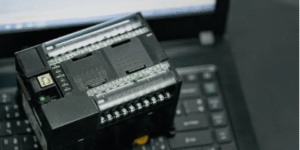 Programmable Logic Controllers (PLCs) are the backbone of modern industrial automation. Siemens PLC technology represents a leading edge in this domain, providing flexible, scalable, and robust control systems that integrate seamlessly with complex industrial operations. These controllers enable real-time monitoring and precise control of machinery, facilitating automated workflows that minimise human error and maximise throughput.
Siemens has a rich heritage of pioneering automation solutions, and its PLC systems are designed to meet the specific needs of diverse industries — from manufacturing and food processing to mining and energy. Their modular architecture allows New Zealand businesses to customise solutions tailored to unique operational requirements while maintaining future-proof scalability.
Enhancing Operational Efficiency in Manufacturing
The manufacturing sector in New Zealand has witnessed significant gains through the integration of Siemens PLC technology. Automated control systems replace manual intervention in repetitive and hazardous tasks, enhancing worker safety and operational accuracy. For example, in automotive component production and electronics assembly, Siemens PLCs regulate conveyor speeds, robotic arms, and quality inspection systems, resulting in reduced cycle times and improved product consistency.
Furthermore, Siemens PLC technology supports predictive maintenance by continuously analysing machine data. This proactive approach minimises unexpected breakdowns, thereby reducing costly downtime and extending equipment lifespan. New Zealand manufacturers leveraging Siemens PLC solutions report measurable improvements in overall equipment effectiveness (OEE), a key performance indicator of productivity.
Revolutionising Agricultural Processing
Agriculture remains a cornerstone of New Zealand’s economy, and automation is reshaping how primary industries process and package their products. Siemens PLC technology plays a pivotal role in dairy, meat, and horticulture processing plants by automating complex sequences such as pasteurisation, packaging, and sorting.
These PLC systems enable precise environmental control — temperature, humidity, and pressure — crucial for maintaining product quality and compliance with food safety standards. Additionally, Siemens PLCs facilitate data logging and traceability, empowering producers to meet stringent regulatory requirements and enhance consumer trust.
Supporting Sustainable Energy Initiatives
New Zealand’s commitment to sustainable energy production is another sector where Siemens PLC technology is making an impact. From hydroelectric plants to wind farms, Siemens PLCs coordinate intricate control processes that maximise energy generation while minimising waste and emissions.
In renewable energy facilities, Siemens PLCs provide real-time monitoring of turbine performance, grid integration, and fault diagnostics. Their ability to interface with advanced SCADA (Supervisory Control and Data Acquisition) systems ensures continuous operation and swift response to grid demands. This level of control supports New Zealand’s transition towards a greener and more resilient energy infrastructure.
Seamless Integration with Industry 4.0
The adoption of Siemens PLC technology aligns perfectly with the global Industry 4.0 movement, which emphasises interconnected, intelligent systems. Siemens PLCs offer extensive communication protocols, enabling integration with IoT devices, cloud platforms, and advanced analytics tools.
New Zealand industries benefit from this interconnected ecosystem by gaining comprehensive visibility into their operations. Real-time data acquisition and analysis empower managers to make informed decisions, optimise resource allocation, and innovate production techniques. Moreover, Siemens PLCs’ cybersecurity features protect critical infrastructure against emerging digital threats, ensuring reliable and secure automation.
Case Study: Transforming New Zealand’s Food Processing Sector
A notable example of Siemens PLC technology’s impact is found in New Zealand’s food processing industry. A leading dairy cooperative implemented Siemens PLC systems to automate its cheese production lines. This upgrade included robotic handling, automated cleaning cycles, and integrated quality control sensors.
The result was a 30% increase in production capacity and a 20% reduction in energy consumption. Additionally, product consistency improved, contributing to the cooperative’s competitive edge in international markets. This success story highlights how Siemens PLC technology enables New Zealand companies to achieve operational excellence and sustainability simultaneously.
Conclusion:
Siemens PLC technology stands as a cornerstone of New Zealand’s industrial modernisation. By delivering reliable, flexible, and intelligent automation solutions, Siemens empowers industries to enhance efficiency, reduce costs, and improve product quality. As the nation embraces digital transformation, Siemens PLC technology will continue to play a pivotal role in driving industrial productivity and sustainability, positioning New Zealand as a leader in advanced manufacturing and automation.