A CCL tear in dogs, also known as a cranial cruciate ligament tear, is a common injury that affects many dogs, particularly those in active lifestyles or older dogs with weakened joints. The CCL plays a crucial role in a dog’s mobility, connecting the femur to the tibia in the knee joint.
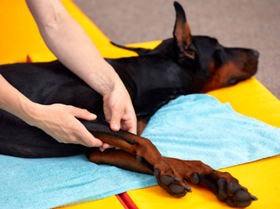 When this ligament is torn or damaged, it can seriously lead to significant pain and mobility issues for the dog. In Portland, Oregon, veterinarians and pet owners alike are becoming more aware of this condition, its impact, and the best treatment options available. For more information about the CCL tear in dogs therapy recovery, click here.
What is a CCL Tear in Dogs?
The CCL, or cranial cruciate ligament, is one of the most important ligaments in the canine knee. It helps stabilise the knee joint by preventing the tibia from moving forward relative to the femur. When this ligament tears or ruptures, the dog’s knee becomes unstable, which can cause severe pain, inflammation, and difficulty moving.
A CCL tear in dogs can occur due to a traumatic injury, like sudden twisting or landing awkwardly, or it may develop over time due to wear and tear. In many cases, especially in active breeds, the ligament weakens over time, making it more prone to injury.
Common Causes of CCL Tears in Dogs
Several factors can contribute to a CCL tear in dogs. These include:
- Age: Older dogs, especially those over five years old, are more likely to experience a CCL tear due to the natural degeneration of tissues.
- Obesity: Overweight dogs put additional stress on their joints, increasing the risk of ligament damage.
- Breed: Certain breeds, such as Labradors, Rottweilers, and Pit Bulls, are genetically predisposed to CCL injuries. It is often due to conformation issues that place more strain on their knees.
- Activity Level: Active dogs, particularly those involved in sports or high-intensity activities, may be more prone to traumatic injuries like a CCL tear.
- Genetics: Dogs with poor conformation or those suffering from underlying joint diseases like hip dysplasia may have a higher risk of developing a CCL tear.
Signs and Symptoms of CCL Tear in Dogs
Recognising the symptoms of a CCL tear in dogs is essential for early intervention. Here are the common signs pet owners should look out for:
- Limping or Lameness: A dog with a CCL tear may limp or favour one leg, especially after activity. The limping may worsen after exercise and improve with rest.
- Difficulty Moving: A dog with a torn CCL may have trouble standing up, climbing stairs, or jumping. In severe cases, the dog may be unable to walk normally.
- Swelling and Pain: The knee joint will likely swell due to inflammation. Dogs may also show signs of pain when the leg is touched or manipulated.
- Atrophy of the Thigh Muscle: Over time, the muscles in the affected leg may begin to shrink, as the dog may avoid using that leg to prevent discomfort.
- Decreased Activity: A dog with a CCL tear may become less active and more reluctant to engage in activities that were once enjoyed.
Diagnosing a CCL Tear in Dogs
If you suspect your dog has a CCL tear, it’s essential to consult a veterinarian in Portland, OR, for a proper diagnosis. The vet will thoroughly perform a physical examination and may conduct a series of tests, including:
- Drawer Test: The vet will gently manipulate the dog’s knee joint to check for instability, a vital indicator of a torn CCL.
- X-rays: X-rays are often used to rule out fractures and other potential issues with the bone structure.
- Arthroscopy or MRI: In some cases, advanced imaging may be required to get a clearer view of the ligament’s condition.
Conclusion:
A CCL tear in dogs is a severe condition that can significantly impact your pet’s quality of life. Whether through surgical or non-surgical methods, prompt treatment and rehabilitation can help your dog regain mobility and reduce pain. If you notice signs of a CCL injury in your dog, it’s crucial to consult with a qualified veterinarian in Portland, OR, to discuss the best course of action.