As urban spaces become more crowded and property prices soar, homeowners are increasingly looking for innovative ways to extend their living areas. Modern home extensions have emerged as a popular solution, allowing homeowners to maximise space while infusing their homes with contemporary style. Whether you’re considering a full-scale renovation or a small addition, understanding the latest trends in modern home extensions can help you make informed decisions and achieve a space that is both functional and aesthetically pleasing.
Open-Plan Living
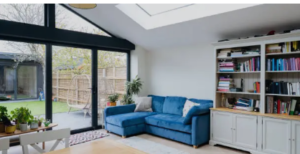 One of the most prominent trends in modern home extensions is the move towards open-plan living. This design philosophy breaks down traditional barriers between rooms, creating a seamless flow of space that enhances the sense of openness and light. By removing walls and incorporating large, open areas, homeowners can create multifunctional spaces that are perfect for both everyday living and entertaining. The integration of the kitchen, dining, and living areas into one cohesive space is particularly popular, as it promotes family interaction and makes the home feel larger.
Biophilic Design
Biophilic design focuses on integrating nature into indoor spaces, a trend becoming increasingly popular in modern home extensions. This approach highlights the use of natural materials like wood and stone and incorporates plants and greenery into interior design. Essential elements include large windows and glass doors that let in ample natural light and offer unobstructed outdoor views. By fostering a strong connection with nature, biophilic design enhances a home’s aesthetic appeal while promoting well-being and reducing stress.
Sustainable Materials
Sustainability is a major consideration in modern home extensions, with many homeowners seeking to reduce their environmental impact. The use of sustainable materials, such as reclaimed wood, recycled metal, and low-VOC (volatile organic compound) paints, is becoming increasingly common. Additionally, energy-efficient solutions, like double-glazed windows, solar panels, and insulation made from natural fibres, are being incorporated into extension projects. These choices not only benefit the environment but also lead to long-term cost savings on energy bills.
Smart Technology Integration
The integration of smart technology is another key trend in modern home extensions. Home automation systems allow homeowners to control lighting, heating, security, and entertainment systems with the touch of a button or a voice command. Features like smart thermostats, automated blinds, and integrated sound systems can be seamlessly incorporated into the design of an extension, enhancing both convenience and efficiency. This technology not only adds to the modern aesthetic but also improves the overall functionality of the home.
Flexible and Adaptable Spaces
With changing lifestyles and the increasing need for multipurpose areas, flexibility and adaptability have become crucial in modern home extensions. Designing spaces that can easily transition from one function to another is a popular trend. For instance, a room might serve as a home office during the day and transform into a guest bedroom at night. The use of movable partitions, fold-away furniture, and modular designs helps create versatile spaces that can adapt to the needs of the homeowner over time.
Indoor-Outdoor Living
A notable trend in modern home extensions is the merging of indoor and outdoor spaces. This seamless transition can be accomplished with large sliding or folding glass doors, opening the home to the garden or patio. Outdoor living areas, like decks, patios, and pergolas, are being crafted as extensions of the indoor space, featuring comfortable seating, outdoor kitchens, and even fireplaces. This trend not only enlarges the living area but also strengthens the connection with nature, offering extra space for relaxation and entertainment.
Personalisation and Customisation
Finally, personalisation and customisation are essential aspects of modern home extensions. Homeowners are increasingly looking to significantly create spaces that reflect their tastes and lifestyles. It can involve everything from custom-built furniture and bespoke lighting fixtures to unique architectural features and personalised colour schemes. By tailoring the design to their specific needs and preferences, homeowners can create extensions that truly feel like an extension of themselves.
Conclusion
Modern home extensions offer a wealth of opportunities to enhance both the functionality and aesthetics of a home. By staying informed about the latest trends, homeowners can make design choices that maximise space, embrace contemporary style, and create a living environment that is both beautiful and practical. Whether it’s through open-plan living, biophilic design, sustainable materials, smart technology, flexible spaces, indoor-outdoor living, minimalist aesthetics, or personalisation, modern home extensions continue to evolve, providing innovative solutions for today’s living spaces.