If you’ve recently cut down a tree on your property, you’re likely facing the daunting task of stump removal. While the tree itself may be gone, the stump left behind can be an unsightly obstacle and a potential hazard. In the Adelaide Hills region, stump removal is a crucial step in fully maintaining a neat and safe landscape. For professional stump removal contractors, check this out.
Why Stump Removal is Important
 Stump removal is more than just an aesthetic choice. Here are several reasons why removing a stump from your property is essential:
- Safety: A protruding stump can be a tripping hazard, especially for children and older people. It can also damage lawnmowers and other equipment.
- Pest Prevention: Stumps can attract pests like termites and ants, which might eventually spread to your home or other wooden structures.
- Aesthetic Appeal: A leftover stump can detract from the overall appearance of your garden or lawn. Removing it can enhance the beauty and usability of your outdoor space.
- Future Landscaping: If you plan to plant new trees or build structures, a stump can interfere with the process. Removing it ensures a clean slate for your future landscaping projects.
Methods of Stump Removal
When it comes to stump removal in Adelaide Hills, there are several methods to consider:
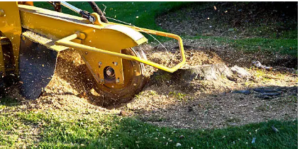
- Grinding: Stump grinding is remarkably one of the most popular methods for removing stumps. This process involves using a machine called a stump grinder to effectively chip away at the stump until it is ground down below the surface of the soil. It’s a relatively quick and efficient method and leaves you with mulch that can be used in your garden.
- Pros: Efficient, leaves no large debris, can handle large stumps.
- Cons: Requires specialised equipment and may need professional help.
- Chemical Removal: Chemical stump removal involves applying a chemical solution to the stump to accelerate its decomposition. This method is slower and requires patience, as it can take several weeks or even months for the stump to fully decompose.
- Pros: Cost-effective, relatively easy to do yourself.
- Cons: Slow process, potential environmental impact from chemicals.
- Manual Removal: Manual removal can be a significant option for smaller stumps. It involves digging around the stump and using tools like a pry bar and axe to remove the stump and its roots.
- Pros: No need for specialised equipment; suitable for small stumps.
- Cons: Labor-intensive, time-consuming, not suitable for more giant stumps.
- Burning: Burning the stump is another option, but permission and safety measures are required due to fire hazards. This method significantly involves drilling holes into the stump, filling them with fuel, and igniting it.
- Pros: Effective for small stumps.
- Cons: Risky, requires a controlled environment, and not suitable for all areas.
Choosing the Right Method
Selecting the proper stump removal method depends on several factors:
- Size of the Stump: Larger stumps are generally best handled with grinding or chemical removal, while smaller stumps may be managed manually.
- Location: If the stump is in a hard-to-reach area, grinding might be the most practical option.
- Budget: Chemical removal and manual methods are often less expensive but may require more time and effort.
- Time Constraints: If you need the stump removed quickly, grinding is usually the fastest option.
Hiring a Professional vs. DIY
While DIY stump removal methods can save you money, they may also require significant time and physical effort. If you’re dealing with a large or stubborn stump or if you’re unsure about the best approach, hiring a professional might be the best choice.
Benefits of Hiring a Professional:
- Expertise: Professionals have the experience and knowledge to handle various stump removal methods effectively.
- Equipment: They use specialised equipment that can make the process quicker and more efficient.
- Safety: Professionals are trained to handle the risks associated with stump removal, reducing the chance of injury.
Conclusion
Stump removal is a vital step in maintaining your property’s safety, aesthetics, and functionality. Whether you choose to handle the removal yourself or hire a professional, understanding the various methods and their implications will help you make an informed decision.